In November 2025, The New York Times exposed a devastating crisis in Ogijo, Nigeria: seven out of ten people tested showed levels for lead poisining, showed harmful levels which can be directly attributed to the informal battery recycling operations that occur at factories in the city.[1] The lead from these toxic facilities doesn't stay in Nigeria, it's shipped primirary the United States, where it ends up in car batteries for Ford, General Motors, Tesla, Amazon delivery vans, and products sold at Walmart.
But this is my question: Why are these import occuring in the first place?
A Trade We Don't Need
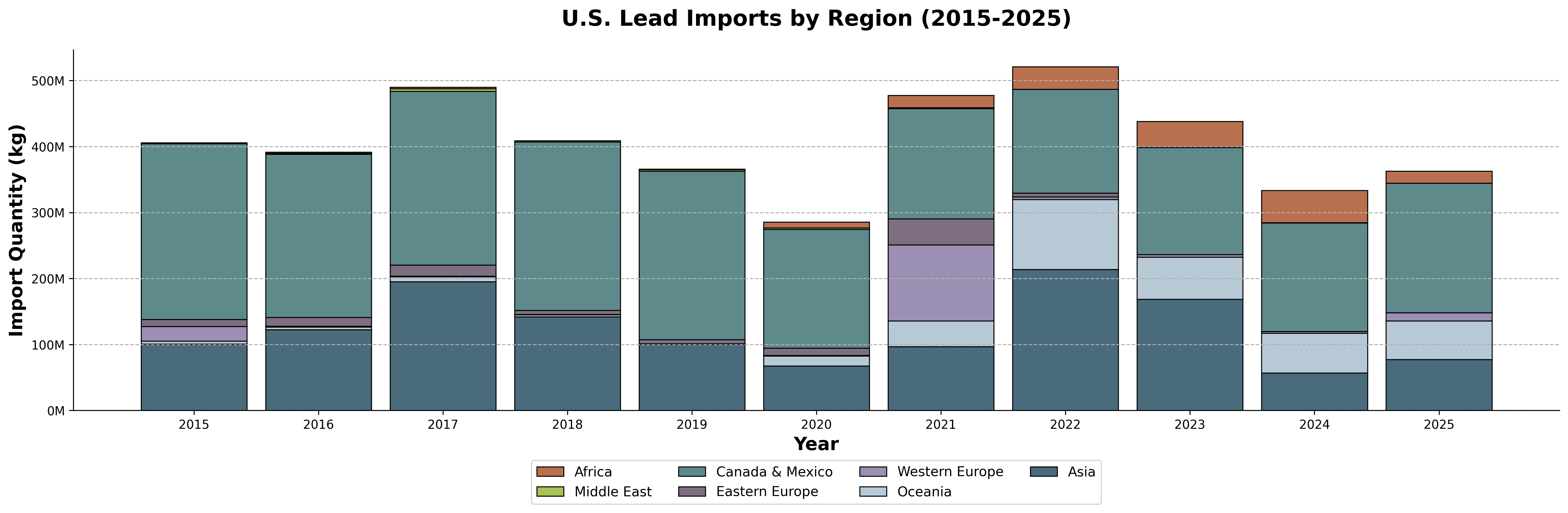
Figure 1: U.S. lead imports by region (2015-2025). African imports remain small relative to total volume.
I looked at the U.S. lead imports between 2015 and 2025 and what is clear is the very small amount that is imported from African countries in relation to all other continents and regions. The United States imported over 500,000,000 kilograms of lead in 2024. African lead, the source of the poisoning crisis in Nigeria, represents less than 10% of total imports. Nigeria currently represents the largest import from Sub-Saharan(see figure 2) Africa but again the totality from the continent pales in comparison.
The Nigerian Surge
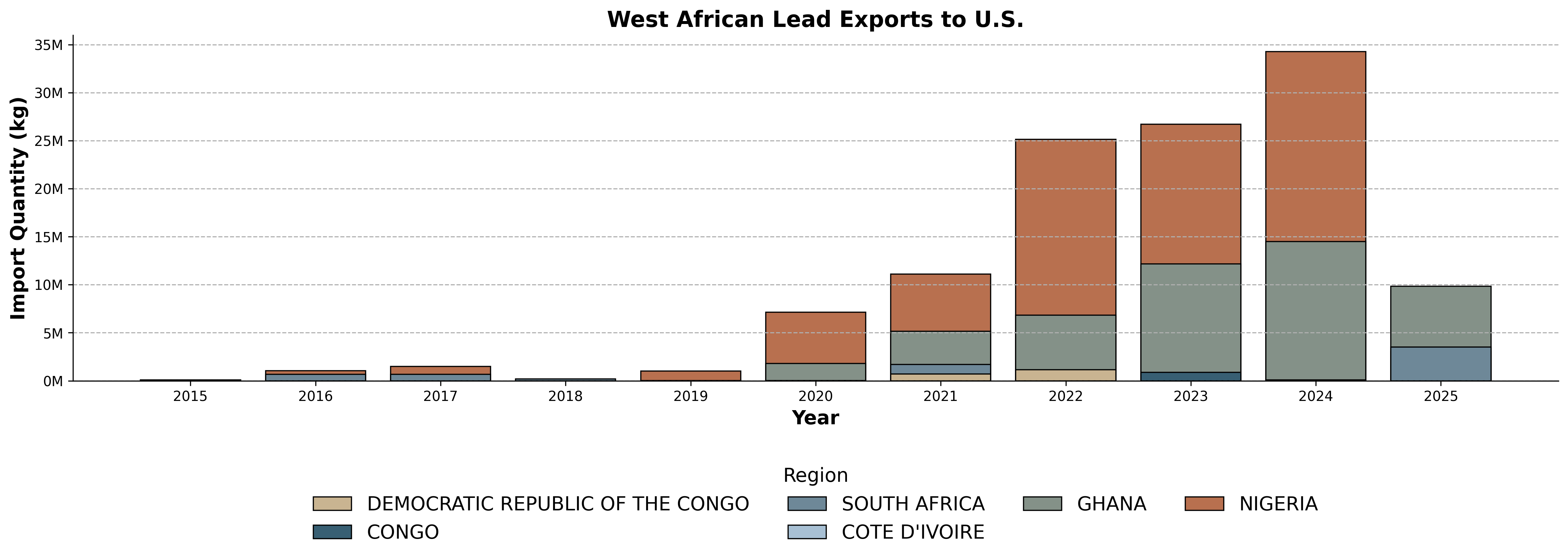
Figure 2: African country exports showing Nigeria's dominance and Ghana's rapid growth.
Nearly all African lead comes from Nigeria, with exports surging from virtually zero in 2019 to over 34 million kilograms by 2024, a period that coincides exactly with the expansion of informal recycling operations in towns like Ogijo.
Ghana is following a similar trajectory, with exports growing rapidly since 2020. In 2024, Côte d'Ivoire began exporting for the first time, suggesting the crisis is spreading across West Africa.
The Premium Price Paradox
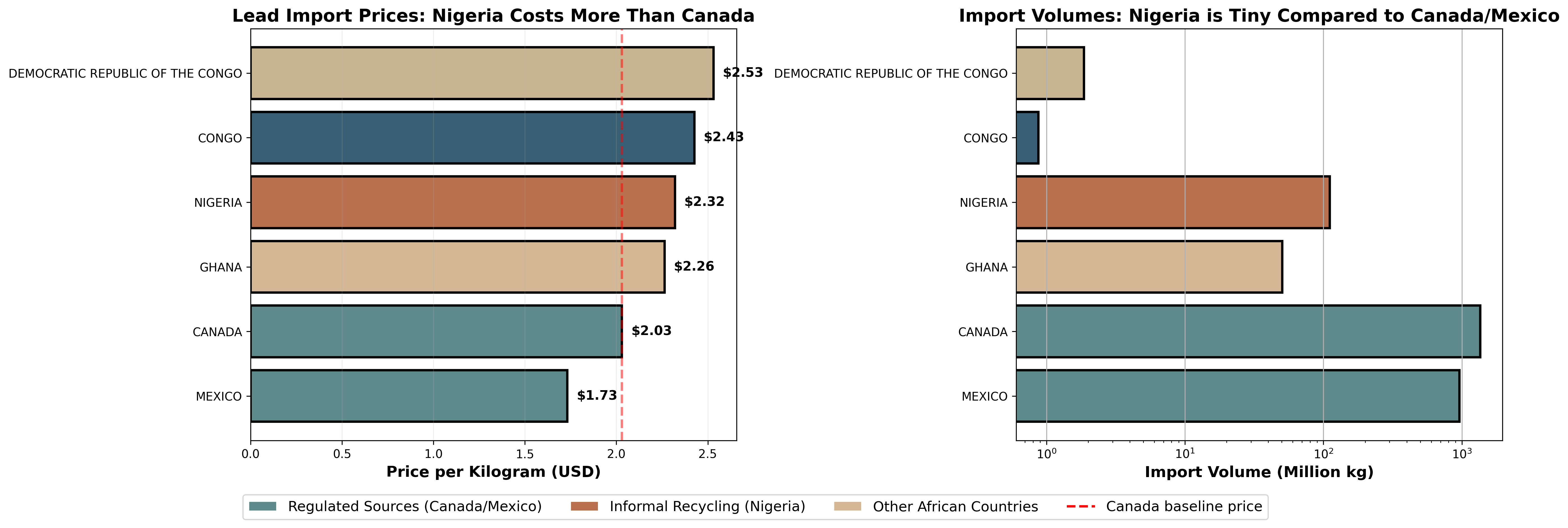
Figure 3: Nigerian lead costs 14% more than Canadian lead despite being produced in unregulated facilities.
Here's where the story takes a surprising turn: Nigerian lead isn't cheaper.
Analysis of U.S. Census trade data reveals Nigerian lead costs $2.32 per kilogram compared to Canadian lead at $2.03 per kilogram, a 14% premium.
Why This Matters
This isn't about cost savings. It's not about supply necessity. The U.S.-Nigeria lead trade reveals a fundamental failure in corporate supply chain accountability:
No one is asking where the lead comes from.
Battery manufacturers source lead globally through commodity markets and trading intermediaries. Lead is fungible, chemically identical regardless of origin. Without proper certification requirements, companies have no incentive to verify where their lead is produced, creating this area where companies who wish to enter the market in developing areas can bypass regulations. These are regulations expected an inforced for Lead Recyclers in the US and Europe, but seem to be non-existent or unenforced in Sub-Sahara Africa.
The Solution
The fix is straightforward:
- Require supply chain transparency - Companies must know the origin of their lead
- Mandate certification - Only import from facilities that meet environmental and health standards
- Enforce accountability - Companies that source from poisoning operations should face consequences
Lives are worth more than supply chain convenience.
As of December 18th 2025, the Nigerian goverment shutdown many of the plants associated with lead recycling, including the Ogijo plant. This is given the extensive reportin found in the New York Time and The Examination. We are still to see if these plants open back up and in what condition, and what occurs in the other West African countries who similary also have imports coming and seem to fail in protecting locals.
Sources & References
1.
How We Linked the Auto Industry to Lead Poisoning
The New York Times, December 18, 2025
2.
Nigeria Closes Factories Linked to U.S. Auto Industry Amid Poisoning Inquiry
The New York Times, December 18, 2025
3.
How we linked the auto industry to lead poisoning
The Seattle Times, November 18, 2025
4.
The Examination, January 8, 2026
5.
U.S. Census Bureau - International Trade Data
6.
U.S. International Trade Commission - Commodity Classification (HTS Codes: 7801, 7802)